
What to Expect When Caring for Someone with Middle-Stage Alzheimer’s
If you have a loved one with Alzheimer’s disease, here’s what to expect during the middle stages of caregiving:
If you have a loved one with Alzheimer’s disease, here’s what to expect during the middle stages of caregiving:

According to the Alzheimer’s Association, 6 in 10 people with Alzheimer’s disease or dementia will wander. Wandering is more common as the disease progresses to its later stages, although it can occur at any stage. Here are 10 tips to help prevent your loved one from wandering.

Alzheimer’s disease is a progressive disease, involving many parts of brain function. If you are caring for a loved one or senior with Alzheimer’s, understanding the progression of the disease can help you know how to provide the best care possible. Here are the 7 stages of the disease.

Music can play a strong role in improving happiness for seniors, especially those with dementia.
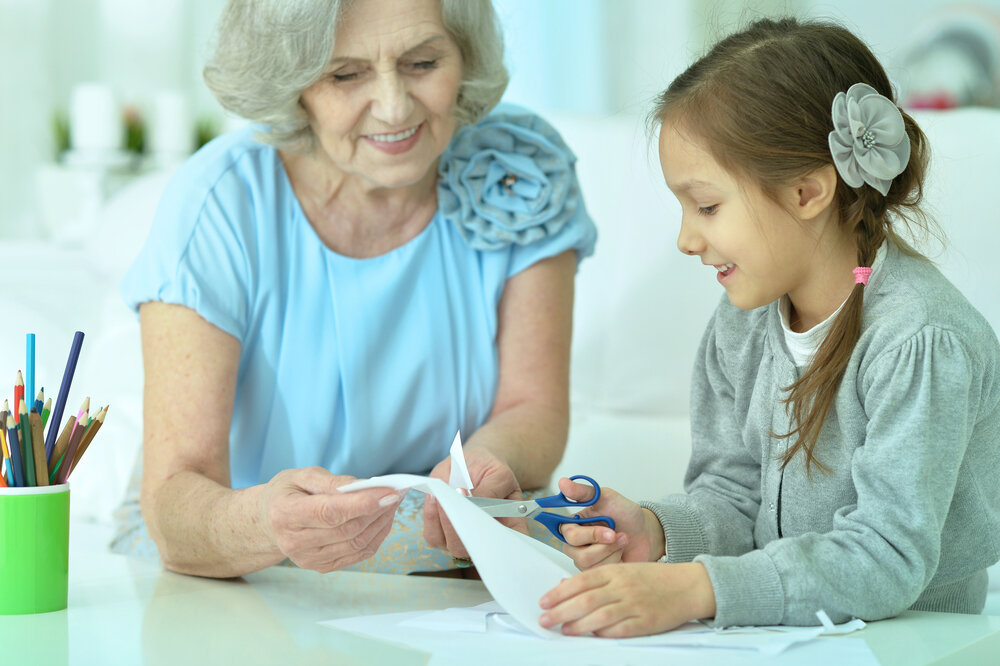
Alzheimer’s disease is difficult to accept at any age. The idea can be especially difficult for young children to understand and deal with. If a grandparent is diagnosed with Alzheimer’s disease, it’s important to take a gentle approach with explanation.

Understanding the facts about Alzheimer’s disease will help family caregivers identify signs and symptoms of Alzheimer’s disease in their elderly loved ones. Knowing the facts may also ease some fears which you have about this form of progressive mental deterioration disorder.
Someone with dementia may struggle with communication. How can we make it easier for them? Here are some communication tips to improve your communication with your parent, friend, or family member with dementia.
When you loved one has dementia or Alzheimer’s, how can you respond? Here are some tips.
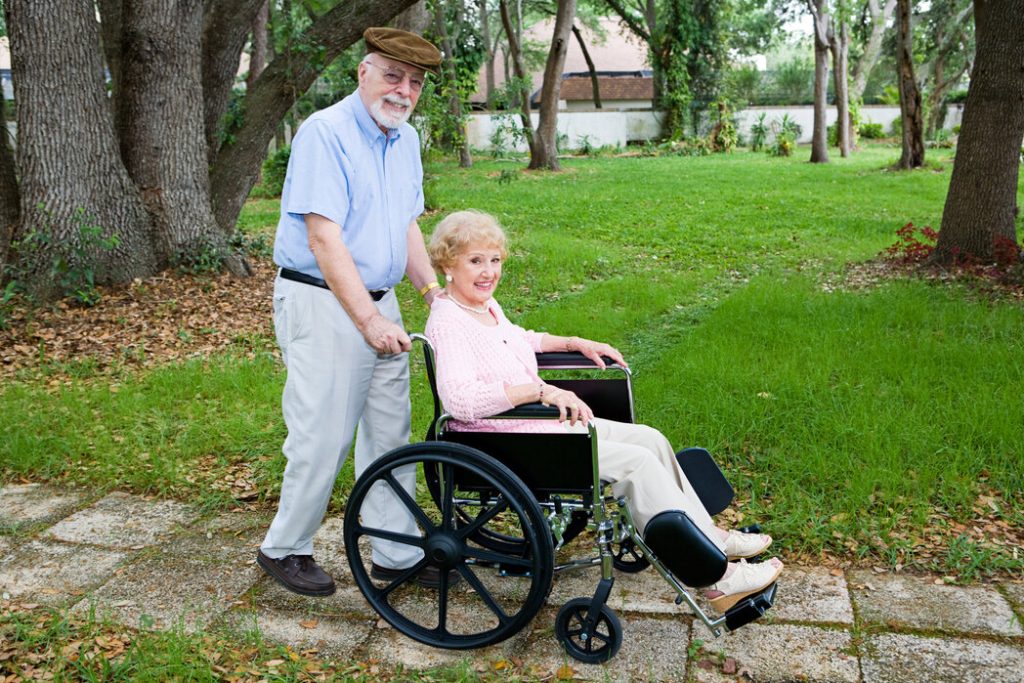
Caring for a loved one living with Alzheimer’s disease is physically and emotionally taxing for the caregiver. Here are some tips on how to build a daily schedule that you are able to give the best possible home care to those you love so much.

Taking care of a loved one with dementia is equally challenging and heartbreaking. During the later stages of dementia, challenges like behaviour problems start to become an issue for the caregiver. The good news is there is always a way to make the job of the caregiver easier and to reduce anxiety of the patient. Here are some tips.